Sound familiar?Hamilton
- The call
- The moving truck has left, half the boxes are inside, and the single key the previous owner handed over turns the knob but not the deadbolt. Someone locked it on the way out, and nobody has a key that fits it.
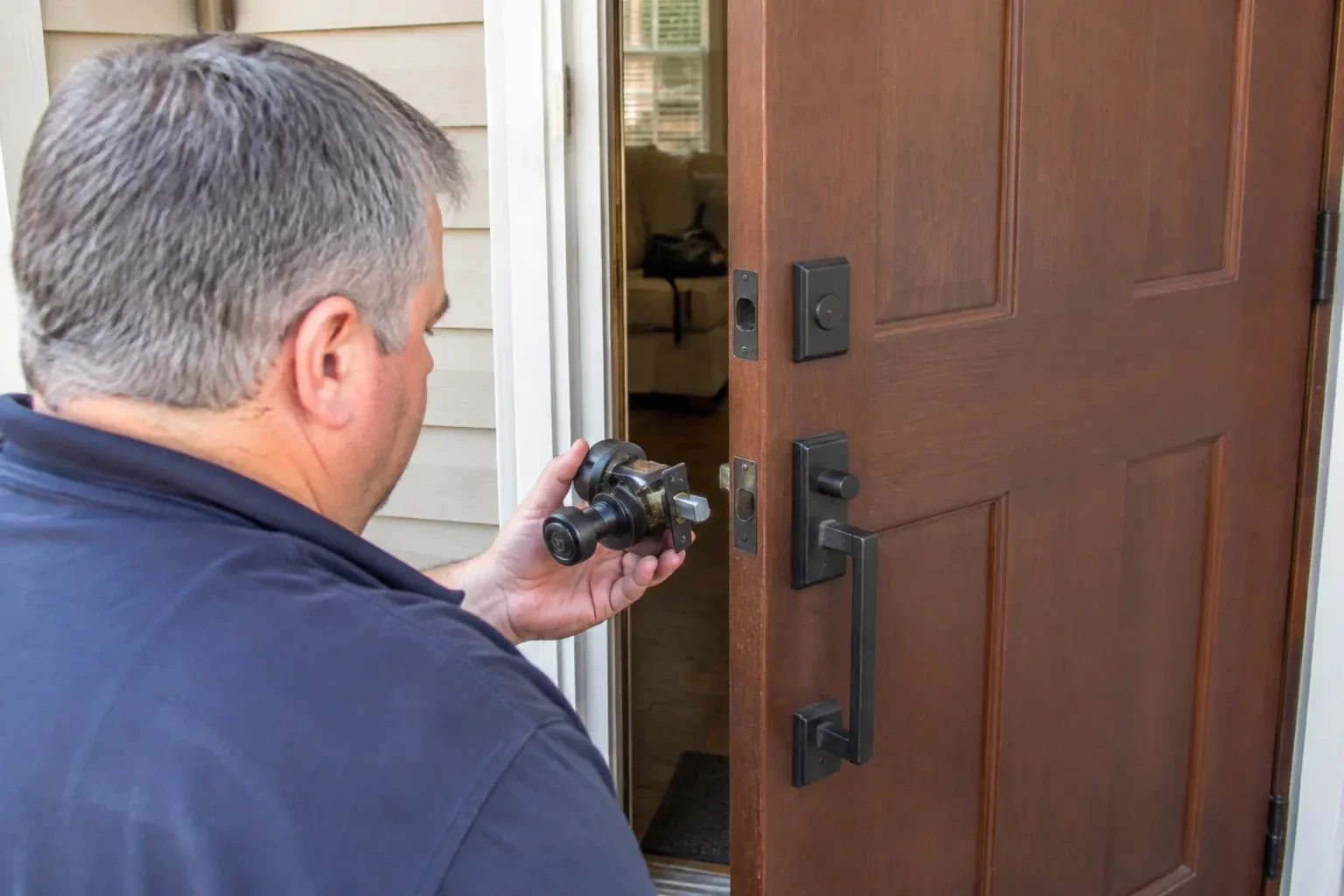
The key slides in and turns all the way round, but the bolt stays put. There is no click, no resistance, just a key spinning in a lock that has stopped listening to it after years of daily use.
If you rent, a lockout visit works much the same way, with a little extra care around who holds which keys. You show identification and something tying you to the unit, such as a lease or a piece of mail, and the locksmith opens your door. Because a landlord and tenant each have rules about changing locks, the locksmith will talk through any rekeying or replacement rather than assume it, and can leave a note of what was done for the building manager. In a condo or apartment, the entry door, the mailbox and a storage locker may all come up in the same visit.
Sound familiar?Hamilton
Home Lockout Service · Hamilton
Scene 1
The next question is about the key rather than the lock. A key left on the hall table means the lock is healthy and only the door needs opening. A key lost on a bus, dropped in a parking lot or taken with a stolen bag means a stranger could be holding it, which changes the advice given after entry. A key that turns without moving anything points to wear inside the cylinder or a broken tailpiece, and a key that snapped calls for extraction before anything else. Ten seconds of honest history about the key saves guesswork and shapes the whole visit.
Scene 2
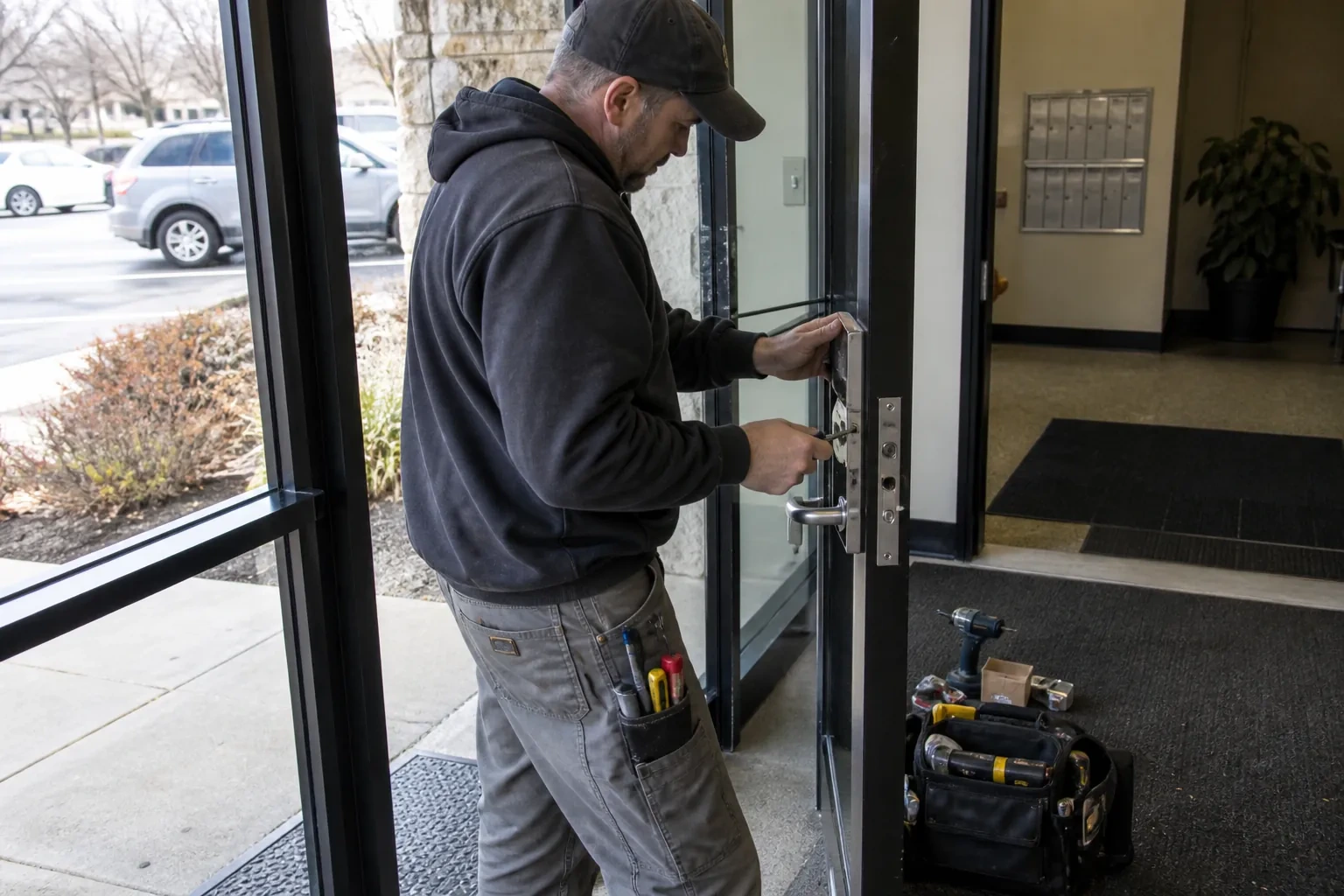
When the key is genuinely gone, the work has two halves. The first is the opening, done the usual way with picks, a decoder or a bypass. The second is making the missing key useless. The locksmith removes the cylinder, uses a plug follower to slide the plug out without spilling the springs, replaces the bottom pins to a new combination, and reassembles it so a freshly cut key operates it and the old one does not. Each exterior lock that shared the old key is treated the same so the house stays on one key. New keys are cut from the new pinning, tested in every door, and counted into your hand.
Scene 3
The visit ends with the lock working smoothly from both sides. The locksmith cycles the key several times, throws and retracts the bolt with the door open and then closed, and listens for the clean click of the bolt seating in the strike. You are shown anything that was noticed along the way, such as a loose handle or a strike screw backing out, so nothing is left as a mystery. Any hardware that was replaced is demonstrated and the packaging left with you. The door is closed and locked once more with your own key before the locksmith leaves, so you see for yourself that you are back in control of it.
What shapes the quoteBuchanan Lock Services
FeesSame any hour
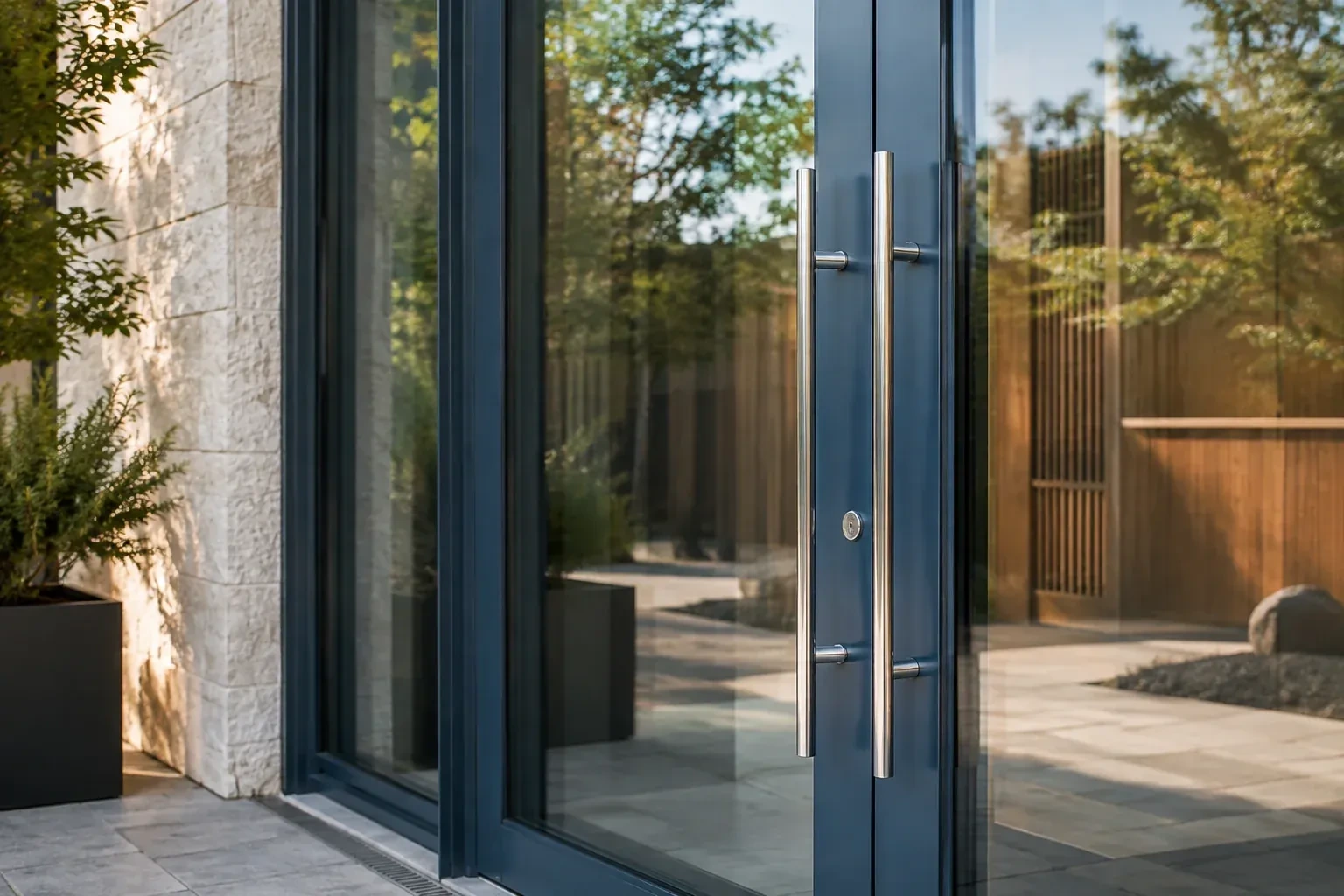
A deadbolt keyed on both sides is sometimes suggested for doors with glass beside them, but on a main escape door it means finding a key to get out. A door people use to leave the home should open from the inside without a key or special knowledge, especially in an emergency. A single-cylinder deadbolt with a thumb-turn, paired with a reinforced strike and a proper glass film if needed, keeps both security and a clear way out.
Rekeying keeps the lock you have and changes only the pins inside the cylinder so a new key operates it and the old one no longer does. It suits hardware that is in good shape and simply needs a fresh key. Replacing swaps the whole lock or cylinder for new hardware, which makes sense when the existing lock is worn, damaged, of low grade, or when you want a different style or a keypad. Either can be done during a lockout visit.
A key that spins freely without moving the bolt usually means the connection between the cylinder and the bolt has failed: the tailpiece or cam at the back of the cylinder has broken or slipped, or the internal parts of an older mortise lock have worn. The good news is that this is a hardware fault rather than a lost key, so once the door is opened the fix is a repaired or replaced cylinder and your keys keep working.
HamiltonOntario
Home Lockout Service · Buchanan, Central, Chedoke Park, Cootes Paradise, Corktown, Hamilton Beach, Hopkins Court, Hopkins Survey, McDonald Court, North End, University Gardens, Waterdown, West Hamilton, Westdale, Pleasant View Survey
Every square is one home in a hundred.
On-site assessment
The key slides in and turns all the way round, but the bolt stays put.
(289) 203-1527, open 24/7.
On-site assessment preferred · (289) 203-1527, open 24/7